Are you torn between Edmond’s cozy historic streets and its newer master-planned communities? You are not alone. When you have a growing family or you are moving up from a starter home, the right neighborhood shapes your daily routine, budget, and long-term comfort. In this guide, you will learn how to compare Edmond neighborhoods by commute, schools, amenities, home age, and maintenance so you can feel confident about your short list. Let’s dive in.
What matters most in Edmond
Choosing a neighborhood in Edmond usually comes down to five things: commute, schools, amenities, home age and upkeep, and storm-readiness. Your best fit balances the daily needs of your household with your budget and your appetite for renovation. You do not need to know every subdivision by name. Start with how you want to live day to day, then match those needs to the neighborhood types below.
Edmond neighborhood types
Historic and central Edmond
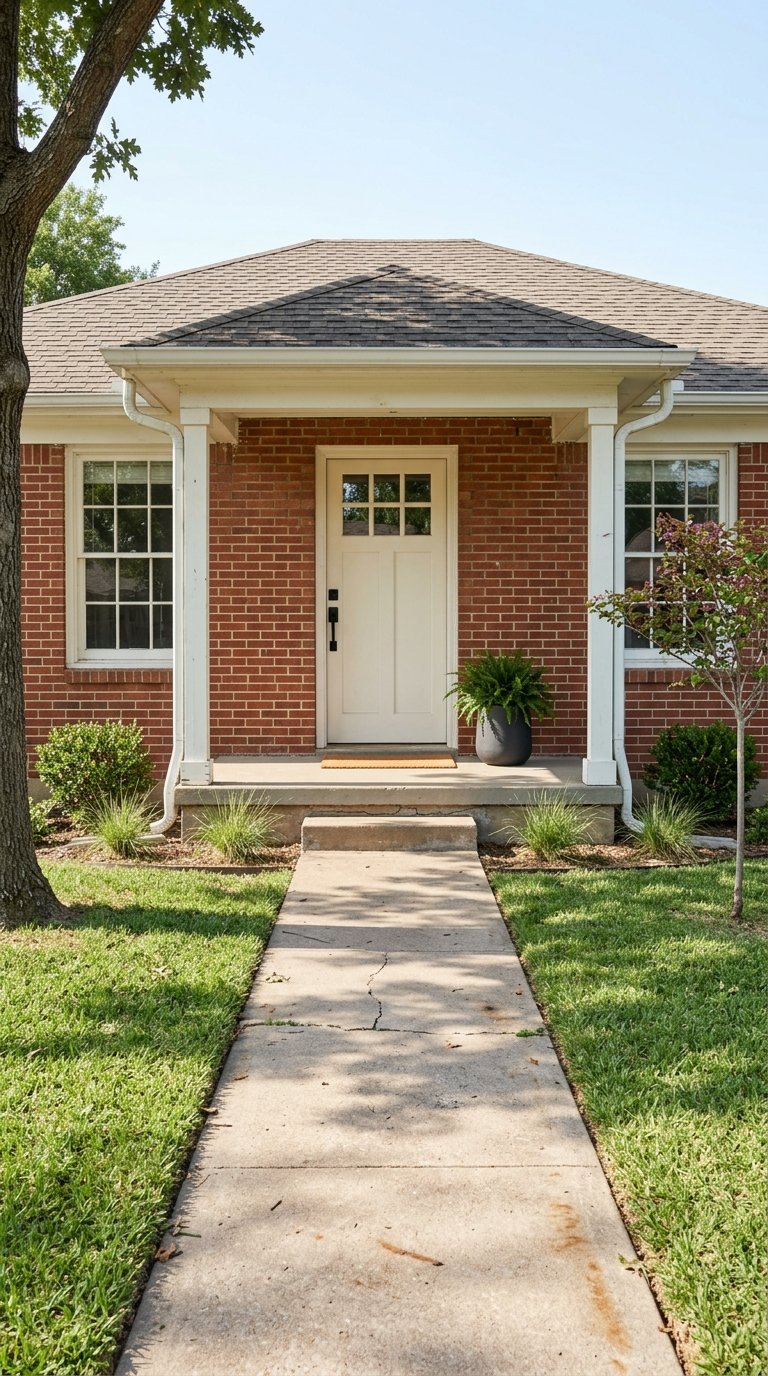
If you picture tree-lined streets near Downtown and the University of Central Oklahoma, you are thinking of central Edmond. You will see older cottages and traditional homes on smaller lots, porches, and walkable access to coffee, parks, and community events. Downtown hosts local gatherings and a farmers market that keep the area active throughout the year. To get a feel for current events and the Festival Market Place, browse the Downtown Edmond Business Association’s updates on Downtown Edmond news.
What it fits: Buyers who value walkability, character details, and being close to community life. If you enjoy projects or tasteful updates, these streets can reward you.
What to expect for maintenance: Older systems may need attention. Plan for possible HVAC, electrical, and plumbing updates along with cosmetic refreshes.
Established suburban subdivisions
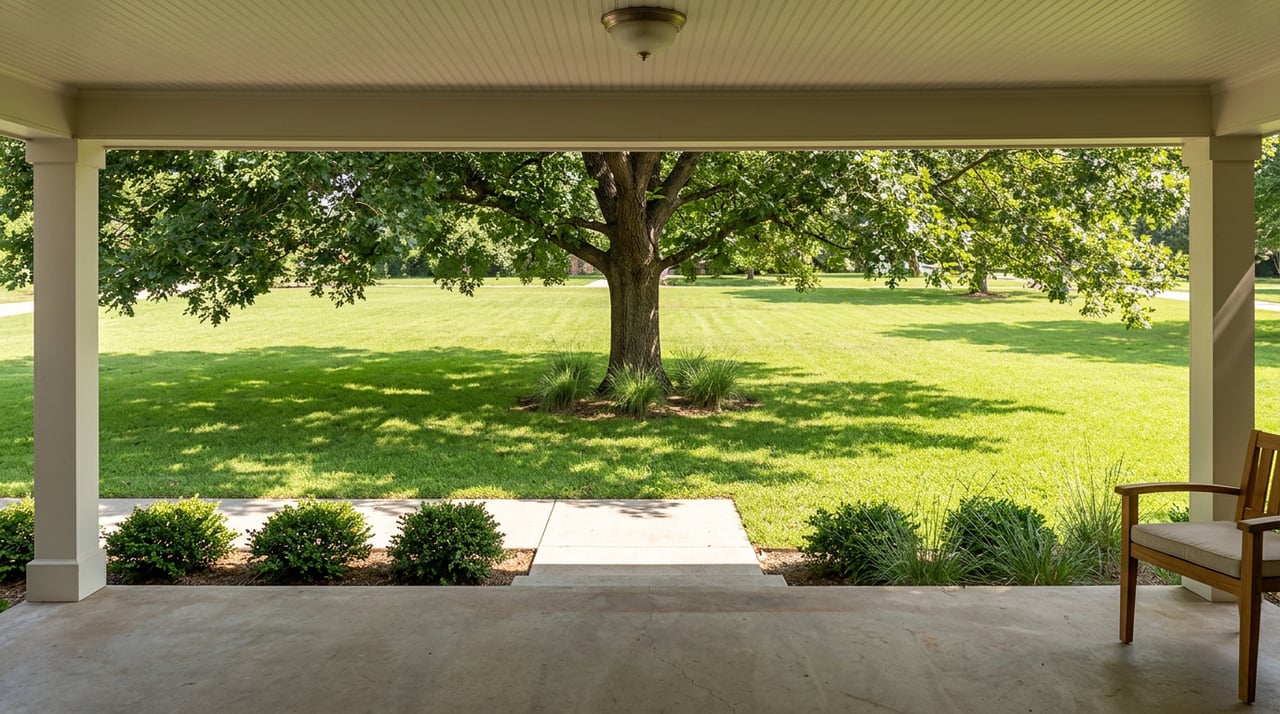
Many of Edmond’s classic family neighborhoods grew from the 1970s through the 1990s. They often sit near parks, greenbelts, and rec centers like the areas around Mitch Park, with mid-sized yards and mature trees. You usually get quick access to main roads without feeling too close to heavy traffic.
What it fits: Families who want space to play, established schools, and a neighborhood feel with parks close by.
What to expect for maintenance: Roofs, HVAC units, and irrigation systems may be mid-life or due within the next 5 to 10 years. Budget for updates like kitchens and baths if they have not been refreshed.
Newer master-planned communities
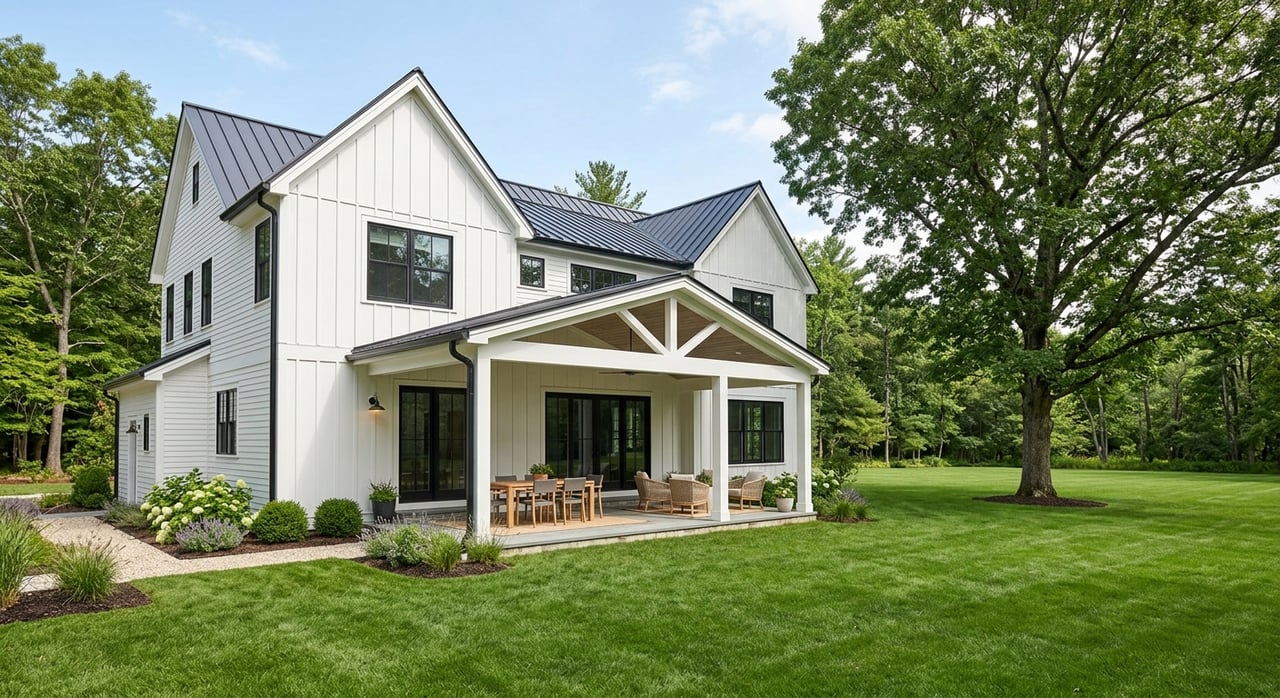
Planned subdivisions from the 2000s through the 2020s offer modern floor plans, open kitchens, and community amenities like pools, trails, and playgrounds. HOAs help maintain shared spaces and set community standards. Streetscapes are usually consistent, which many buyers prefer.
What it fits: Move-up buyers who want a turnkey feel, larger square footage, and neighborhood amenities. If you want lower near-term maintenance, this is a strong option.
What to expect for maintenance: Newer homes often have fewer immediate capital needs. Review builder warranties, HOA bylaws, and any private utility or street agreements so you understand long-term costs.
Higher-end gated golf communities
Edmond’s luxury options include gated, golf-centered neighborhoods with large custom homes and private club access. These areas emphasize privacy, security gates, and resort-style amenities, and they tend to command premium prices.
What it fits: Households that prioritize club life, privacy, and high-end finishes.
What to expect for maintenance: Large homes and landscapes require routine care. Pools, high-efficiency systems, and specialty finishes can increase annual maintenance costs. Review club membership terms and any special assessments.
Semi-rural and acreage areas
On the edges of Edmond and in parts of the northwest and west, you will find homes on larger lots and developing tracts. Some of these areas are inside Deer Creek Public Schools. You will often trade a longer drive for more space, privacy, and room for workshops, gardens, or a future pool.
What it fits: Buyers who want elbow room, flexible outdoor space, and fewer close neighbors.
What to expect for maintenance: Larger yards need more time and equipment. Verify utilities, including whether the home uses private well or septic, and confirm drive times to groceries, clinics, and schools.
Commute and connectivity
Edmond’s mean travel time to work is about 23.3 minutes, according to U.S. Census QuickFacts. Your experience will vary based on proximity to I‑35 and the Kilpatrick Turnpike, which are the main regional corridors for the metro. You can view the city’s major routes on the ODOT Edmond city map.
Practical tip: Do two trial commutes at the exact hours you expect to travel. Note your closest on-ramps and any alternate routes to handle school drop-off traffic or weather.
Schools and boundaries
Most of Edmond is served by Edmond Public Schools, with three comprehensive high schools: Memorial, North, and Santa Fe. Parts of the city, especially to the northwest and west, are in Deer Creek Public Schools. Since district lines cross parts of the city, always verify an address before you fall in love with a home.
How to check:
- Use the Edmond Public Schools website for attendance zone tools and district contacts.
- If you are considering the western or northwestern perimeter, also check Deer Creek Schools.
Keep your review neutral. Look at campus offerings, programs, and logistics such as start times and bus routes that fit your routine. If you have specific questions about services, contact the district directly.
Amenities and daily living
Think through your most frequent errands and family activities. Downtown Edmond offers walkable dining, a farmers market, and seasonal events, which you can preview through Downtown Edmond news. Many established and newer neighborhoods offer trails, ponds, and community playgrounds. With parks like Mitch Park and access to local greenbelts, you can plan weekends without crossing town.
Map your routine: Identify your nearest grocery, pediatrician or clinic, a favorite playground, and a backup option for urgent care. Redundancy helps on busy days and during storms.
Home age and renovation scope
Your maintenance plan should match the era of home you choose.
- Central and older homes: Expect potential updates to electrical service, HVAC, plumbing, and moisture control. Factor in porch, siding, and window maintenance.
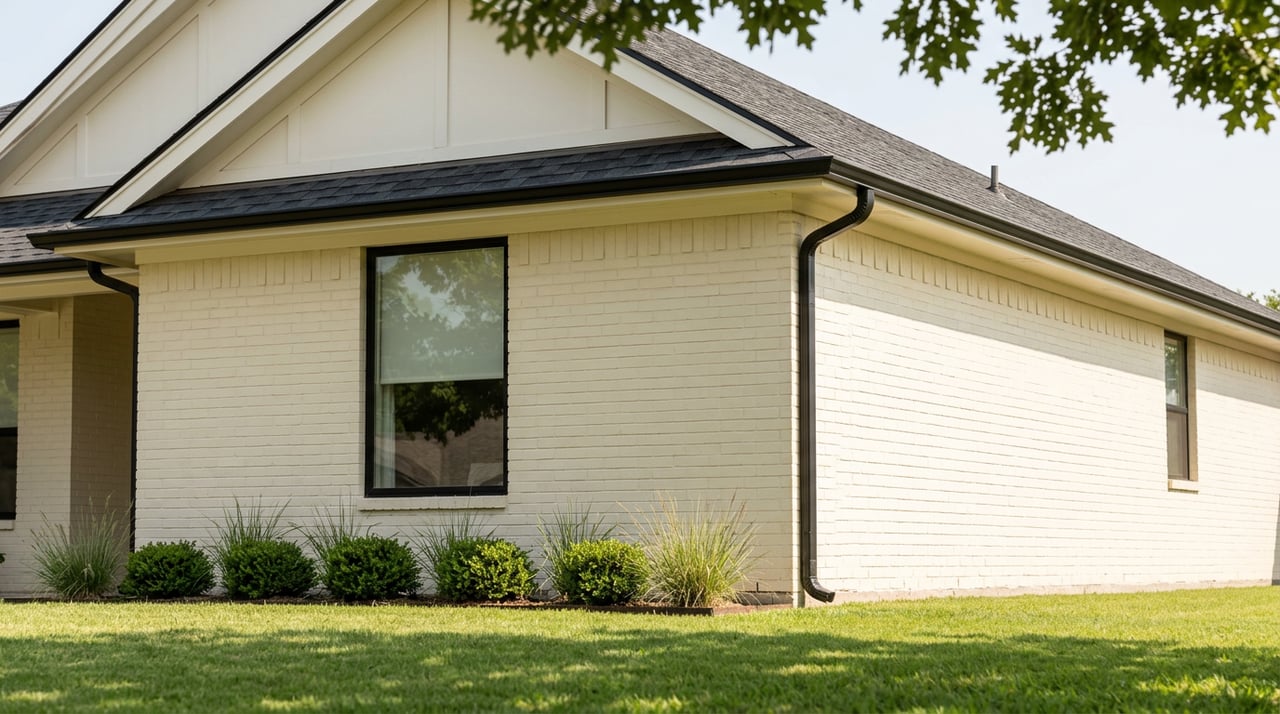
- 1970s to 1990s suburbia: Common projects include roof or HVAC replacement on a 10 to 20 year cycle, kitchen and bath refreshes, and irrigation tune-ups.
- 2000s to 2020s construction: Fewer near-term capital needs, but do not skip due diligence on warranties and HOA rules.
Inspection tip: Ask your inspector to assess foundation and structure, roof and attic, HVAC age and performance, plumbing materials, drainage and grading, and to provide a wood-destroying organism report if relevant. A thorough inspection saves surprises later.
Storm safety and safe rooms
Oklahoma weather is part of homeownership here. Many families prefer a home with an existing safe room or a clear plan to add one. FEMA’s guidance outlines design and installation criteria for residential and community safe rooms. You can learn more from FEMA’s safe room guidance.
Your options usually include an above-ground safe room rated to FEMA and ICC standards, a built-in shelter, or nearby community facilities. If a property does not include one, get an estimate early and consider it part of your long-term budget.
Quick shortlist checklist
Use this to compare neighborhoods and narrow to three top choices.
- Schools
- Run the exact home address through the district’s boundary tool. Start with Edmond Public Schools. If you are looking near the western or northwestern edge, also check Deer Creek Schools.
- Commute
- Time your commute twice at peak hours. Compare routes using I‑35 and the Kilpatrick Turnpike with the ODOT Edmond map.
- Amenities
- Mark your nearest grocery, clinic, playground, and a backup option for each. Short drives matter, especially during busy seasons.
- Home age and layout
- Prefer move-in ready and open-concept living? Focus on newer master-planned areas. Prefer character or larger, mature lots? Look at historic or established suburban neighborhoods and plan a renovation cushion.
- Storm readiness
- Ask if the property has a FEMA or ICC-rated safe room, access to a community shelter, or a feasible plan to add one. Review FEMA’s guidance for options and costs.
- Inspection scope
- Include structure, roof, HVAC, plumbing materials, drainage, and a wood-destroying organism report as needed. For older homes, add an electrical panel and supply line review.
- HOA and long-term costs
- If there is an HOA, request bylaws, current budget, reserves, and any known special assessments before you write an offer.
Local facts at a glance
- Population: About 99,040 residents as of July 2024, per U.S. Census QuickFacts.
- Income and housing: Median household income is about 103,000 dollars and the median value of owner-occupied housing is about 351,400 dollars, based on ACS 2019–2024 estimates in Census QuickFacts.
- Owner occupancy: Around 70 percent, per Census QuickFacts.
- Commute: Mean travel time to work is about 23.3 minutes, per Census QuickFacts.
How a local advisor helps
There is no single right Edmond neighborhood. The best match aligns with your commute, school plans, weekend routine, and willingness to take on maintenance or projects. A renovation-aware agent can help you weigh trade-offs, spot red flags during tours, and price potential updates so you are not guessing.
If you are ready to compare real options, reach out. I will help you test-drive commutes, verify school assignments, and build a clear, renovation-informed plan to buy with confidence. When you are set to go, you will have a short list that fits your life today and supports your goals tomorrow.
Ready to find your fit in Edmond? Schedule a friendly, no-pressure consult with David Deskin Realtor®.
FAQs
How do I verify which Edmond school serves a specific home?
- Use the attendance zone tools on the Edmond Public Schools website and, for parts of west and northwest Edmond, check Deer Creek Schools. Always verify for the exact address.
What is a typical commute time for Edmond residents?
- The citywide mean commute is about 23.3 minutes, according to U.S. Census QuickFacts. Your time will depend on proximity to I‑35 or the Kilpatrick Turnpike.
Which Edmond areas are more walkable to events and shops?
- Historic and central Edmond near Downtown and UCO offer the most walkable access to local events and dining. See current happenings via Downtown Edmond news.
What should I budget for maintenance in older Edmond homes?
- For central or older properties, plan for possible HVAC, electrical, and plumbing updates along with roof and moisture management. A thorough inspection helps set realistic costs.
How do HOAs affect costs in newer master-planned communities?
- HOAs fund shared amenities and maintenance. Request bylaws, budgets, and reserves to understand dues and any potential special assessments before you buy.
What are my options for tornado-safe spaces at home?
- Consider an above-ground FEMA and ICC-rated safe room, a built-in shelter, or access to a community facility. Review FEMA’s safe room guidance to compare options and plan installation.