Wondering if an older home in Oklahoma City is a hidden gem or a future project list? The truth is, it can be both. If you love character, mature lots, and established parts of the city, it helps to know what to look for before you fall in love with a front porch or original brick detail. Let’s walk through what older homes in Oklahoma City often offer, what issues deserve a closer look, and how you can buy with more confidence.
Why older homes matter in Oklahoma City
Older homes are a big part of Oklahoma City’s housing story, especially in long-established central areas and historic preservation districts. The City of Oklahoma City identifies districts such as Crown Heights, Edgemere Park, Jefferson Park, Mesta Park, Heritage Hills, Heritage Hills East, Paseo, Putnam Heights, and Shepherd as protected areas with historical, cultural, or architectural significance.
The city also notes that some Urban Medium areas were mostly built before the 1930s and are intended to support rehabilitation and infill. That matters because many older homes in OKC are not one-size-fits-all. You may be looking at a prewar bungalow on one block and a simpler postwar ranch just a few streets away.
Oklahoma City also saw major growth in the 1910s and 1920s, when homebuilding was on the upswing. So when you shop older homes here, you are often seeing a mix of building periods rather than one single style or layout pattern.
Common older home styles in OKC
Prewar homes and historic character
In Oklahoma City’s older neighborhoods, you may come across Craftsman bungalows, Spanish Revival homes, Tudor Revival homes, and other early 20th-century styles. These homes often stand out because of their exterior details and original materials.
City preservation guidance points to features like wood siding, textured brick, stucco, and half-timbering. In practical terms, that means the home’s charm is often tied to details like windows, porches, and original exterior finishes.
Postwar homes and simpler layouts
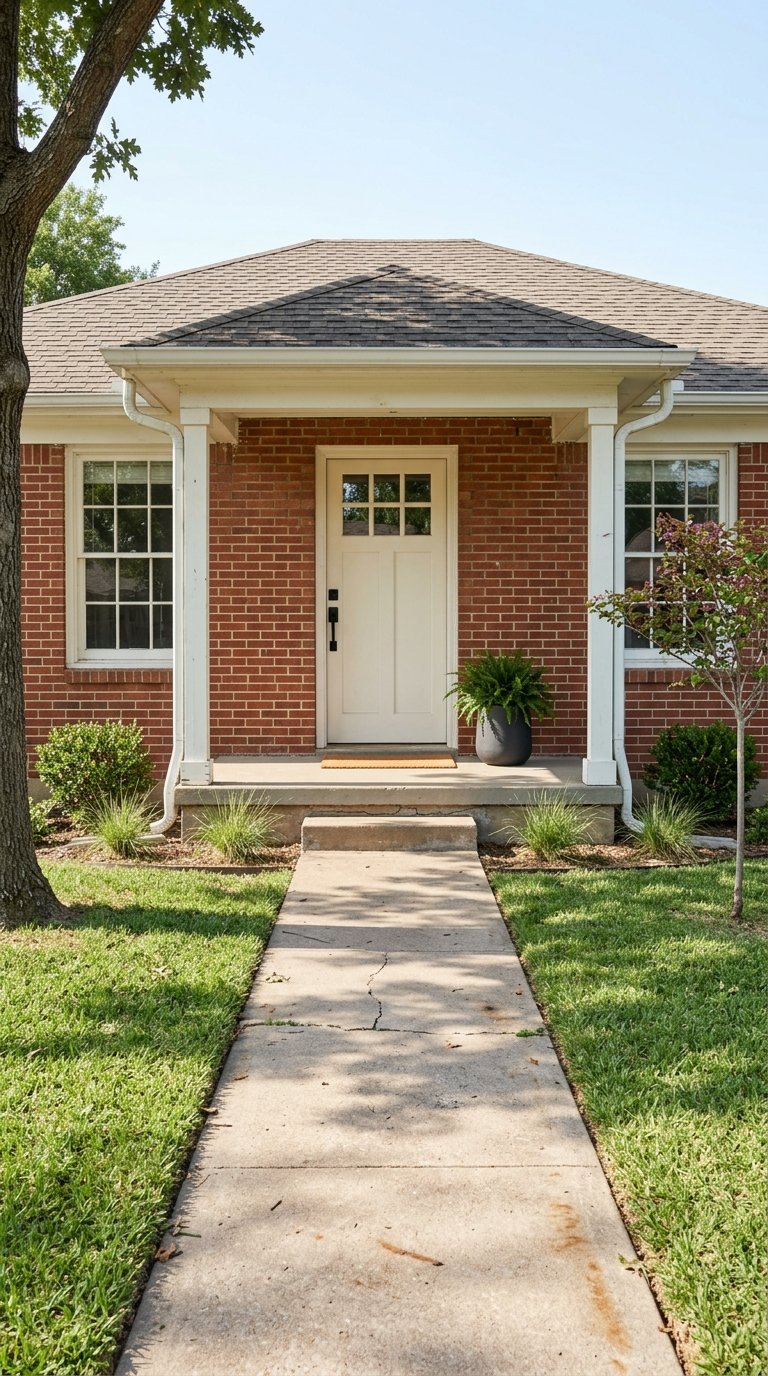
Older Oklahoma City housing also includes postwar Minimal Traditional and Ranch-style homes. These homes are usually less ornate than prewar properties and often have simpler shapes and more straightforward layouts.
If you want an older home without quite as many decorative details to maintain, this group can be worth a closer look. You may still get the benefits of an established location while seeing a floor plan that feels a little more familiar.
What floor plans often feel like
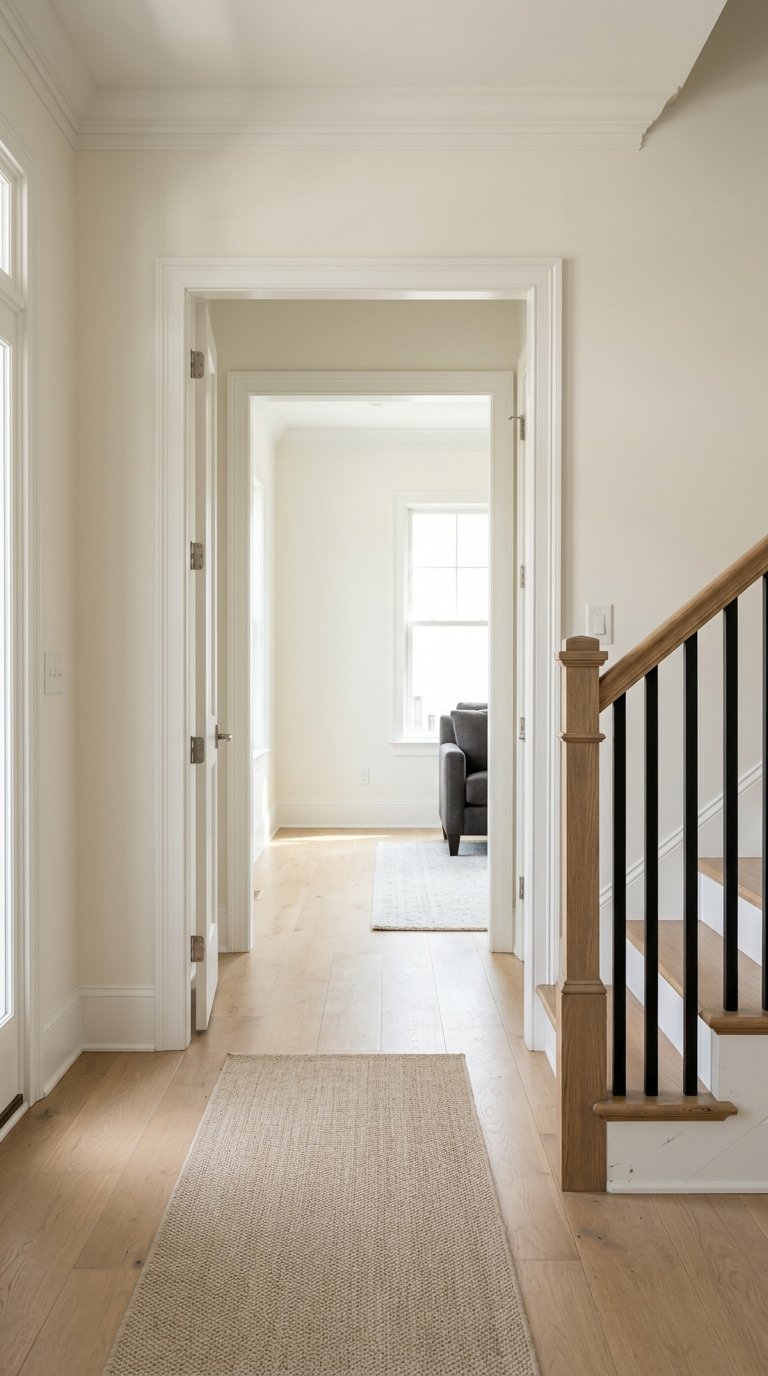
Many older homes were built long before open-concept design became common. As a result, you may notice more separated rooms, smaller groupings of living spaces, and fewer long sightlines from the kitchen to the rest of the house.
That is not necessarily a drawback. Some buyers love the defined spaces, especially for privacy, storage, or flexible use. Others may see renovation potential, but it is smart to understand that changing the layout can affect both cost and permitting.
In older parts of Oklahoma City, you may also see backyard accessory structures. The city notes that these buildings were often used historically as carriage houses or caretaker residences, which can add both interest and extra maintenance questions.
Exterior details deserve extra attention
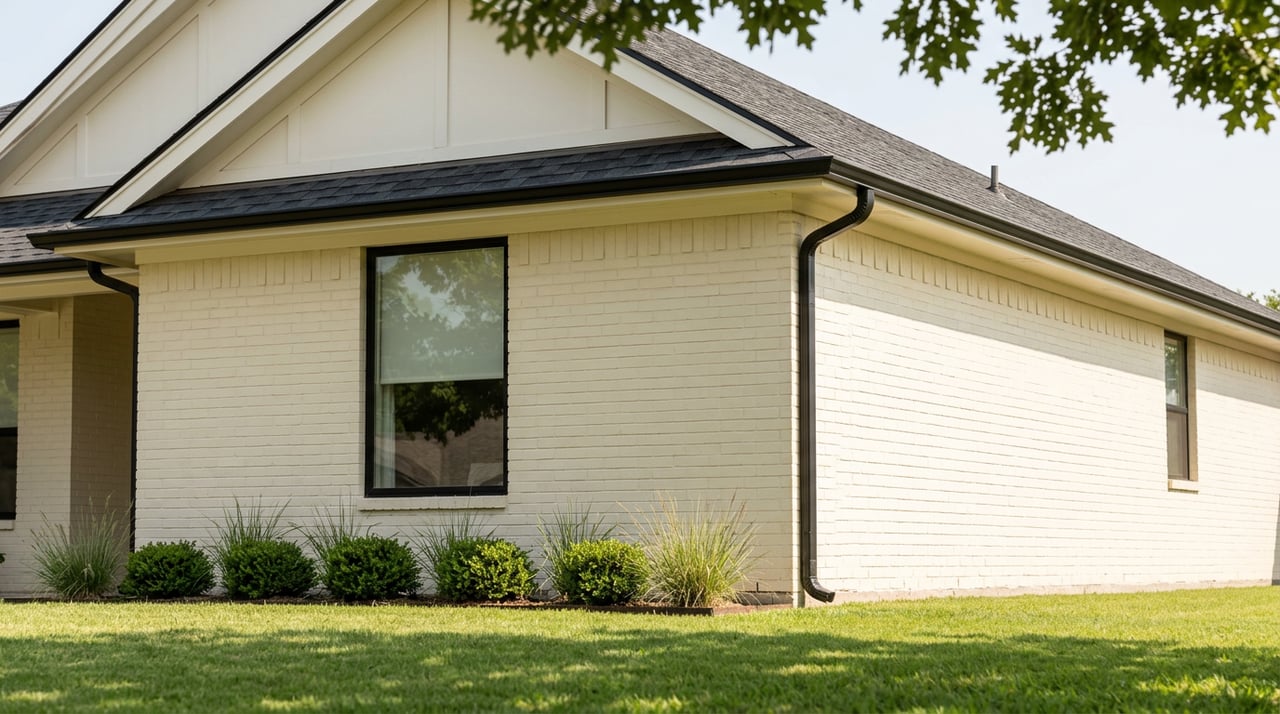
With older homes, exterior components often carry much of the home’s identity and value. Oklahoma City preservation materials place special emphasis on original windows, porch details, siding, and masonry.
If you are comparing homes, pay close attention to which exterior features appear original, which have been replaced, and whether replacements seem consistent with the home’s overall character. Even if a property is not in a protected district, these details can affect upkeep, curb appeal, and future renovation decisions.
Key condition issues to evaluate
Foundation movement and drainage
This is one of the biggest topics to take seriously in older Oklahoma homes. Oklahoma State University Extension notes that shrink-swell soils are common in many parts of the state and can crack foundations and walls.
When touring a home, look carefully for cracks around windows and doors. Drainage also matters. OSU guidance recommends paying attention to grading, downspouts, and whether water moves away from the house properly.
For many buyers, this is where a good inspection can save a lot of stress later. Foundation concerns are not always a deal-breaker, but they should be understood clearly.
Termites and wood damage
Termites are another issue you do not want to gloss over. OSU Extension says termites are severe wood-destroying pests present in all Oklahoma counties.
Warning signs can include mud tubes, soft wood, or swarming insects. In older homes with original framing, porches, or detached backyard buildings, pest history and visible wood condition should be part of your evaluation from day one.
Lead-based paint in older homes
If a home was built before 1978, lead-based paint is a real consideration. The EPA reports that homes built before 1978 are more likely to contain lead-based paint, including 87% of homes built before 1940 and 24% of homes built from 1960 to 1978.
That does not automatically mean a home is unsafe. The EPA also notes that lead-based paint is usually not a problem when it is in good condition. The bigger concern is paint that is peeling, chipping, cracking, or otherwise damaged, especially if you plan to renovate.
Storm wear on roofs and exteriors
Oklahoma weather is part of homeownership here, and older homes are no exception. Severe thunderstorms, hail, damaging winds, and tornado activity help explain why roof condition, flashing, windows, and siding often need close review in the Oklahoma City area.
A home can look charming from the street and still have deferred exterior maintenance. That is one reason it helps to look beyond finishes and ask practical questions about the roof, windows, and cladding.
Renovation rules buyers should know
If you are thinking, “We can update it over time,” that can absolutely be a smart plan. But with older homes in Oklahoma City, renovation timing and process matter.
The City of Oklahoma City says a permit is required when you construct, alter, repair, enlarge, move, or demolish a structure. Residential home remodel permits are a standard permit category, and the city also states that several contractor trades must be registered with the city, with many requiring state licensing as well.
That means even smaller-sounding projects can involve more process than buyers expect. It is wise to budget for both the work itself and the time needed to do it correctly.
Historic district review
If a home is in a Historic Preservation District or Historic Landmark zone, there may be another layer to consider. The city says changes to buildings, demolitions, and new construction in these areas require a Certificate of Approval from the Historic Preservation Commission or Planning Department staff.
These districts use regulations and guidelines for renovations, additions, and demolitions. For you as a buyer, that means a project budget should account for design coordination and review, not just labor and materials.
Lead-safe renovation practices
If the home was built before 1978 and you plan to disturb painted surfaces, ask contractors whether they use lead-safe work practices. The EPA states that renovation, repair, and painting work in pre-1978 homes can create dangerous dust when lead-based paint is disturbed.
This is one of those details that can be easy to miss early on. Asking up front can help you plan more responsibly and avoid surprises once work begins.
Smart questions to ask before you buy
When you are serious about an older Oklahoma City home, a few practical questions can go a long way. These questions help you move beyond charm and get into the home’s real condition and future costs.
Ask your inspector or contractor about:
- Whether any foundation cracking appears active
- Whether grading and downspouts move water away from the house
- Whether there is visible or documented termite history
- Whether there are signs like mud tubes, softened wood, or past repairs
- Which systems or parts of the home still appear original
- Which components have already been updated
- Whether lead-based paint information is available for pre-1978 homes
- Whether planned work will follow lead-safe practices
- Whether the property is in a historic district that may require city review for exterior changes
- Which exterior components were replaced and whether original features still need special care
How to think about value in an older home
Older homes in Oklahoma City often offer things that are hard to recreate in newer construction. You may find distinctive architecture, mature lot settings, original materials, and a stronger sense of place from one block to the next.
At the same time, these homes usually ask more from buyers in the form of due diligence. The best approach is to balance emotion with practical review. Character is wonderful, but confidence comes from understanding condition, maintenance needs, and renovation limits before you close.
If you are considering an older home in Oklahoma City, it helps to have someone in your corner who can spot both the opportunity and the likely to-do list. That is where practical, renovation-aware guidance can make the process feel much less overwhelming.
When you are ready to talk through neighborhoods, home condition, or renovation potential, schedule a free consultation with David Deskin Realtor®.
FAQs
What makes older homes in Oklahoma City different from newer homes?
- Older homes in Oklahoma City often have more architectural character, mature lots, and original details, but they may also have more segmented floor plans and more maintenance items to evaluate.
What condition issues should buyers check in older Oklahoma City homes?
- Buyers should pay close attention to foundation movement, drainage, termites, paint condition in pre-1978 homes, and storm-related wear on roofs, windows, and siding.
What should buyers know about historic districts in Oklahoma City?
- If a home is in a Historic Preservation District or Historic Landmark zone, certain exterior changes, demolitions, or new construction may require city review and a Certificate of Approval.
What should buyers ask about lead-based paint in older Oklahoma City homes?
- For homes built before 1978, ask what lead-based paint information is available and whether any planned renovation work will use lead-safe practices.
Are older homes in Oklahoma City a bad investment?
- Not at all. Many older homes offer strong character and established locations, but they usually require more careful inspection and planning so you understand condition, repairs, and renovation costs.